
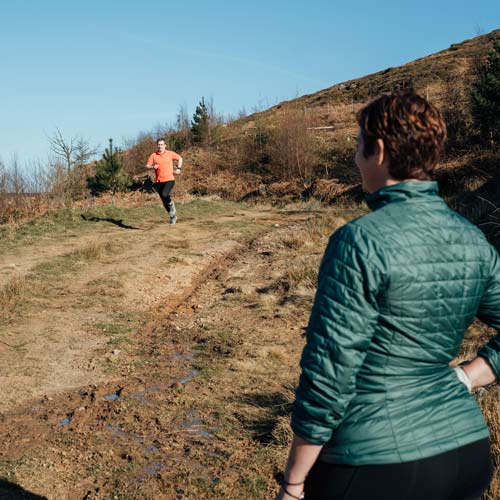
For athletes, acquiring a coach is not a quick fix that guarantees immediate improvement or success. While the idea of instant transformation is appealing, genuine progress requires sustained effort over an extended period. The process of developing skills and achieving long-term improvement is gradual, as changes take time to become established and effective in practice.
Although athletes may experience some quick wins early in their journey with a coach, these are often short-lived. Lasting improvement is built slowly, requiring dedication and consistent work over time. It is through ongoing commitment to training and development that meaningful and enduring gains are achieved.
Success in sport involves much more than simply ticking off completed training sessions. To derive the greatest benefit from coaching, athletes must engage fully with the process, understanding that improvement is not just about following a set routine.
Central to this journey is the development of a mature relationship between the athlete and coach. This partnership is essential for fostering growth, navigating challenges, and ultimately achieving sustained success. Building trust and open communication forms the foundation for progress and helps both parties work effectively towards common goals.
A strong and effective relationship between an athlete and their coach is underpinned by the fundamental principles of clear communication and mutual respect. Both the athlete and the coach must prioritise open and honest dialogue, recognising that communication is a two-way street involving both speaking and attentive listening. It is essential that each party values the other’s knowledge, perspectives, and commitments outside the sporting environment.
Problems may arise when athletes selectively heed only the advice that aligns with their own views, believe they know better without engaging in meaningful discussion, or are not forthcoming about their training intentions. Similarly, issues occur when coaches impose unrealistic expectations on athletes, failing to consider their individual circumstances and responsibilities beyond the sport. Such situations often lead to frustration and ultimately undermine the effectiveness of the partnership.
For the relationship to thrive, both parties must understand that coaching is not a mere formality or a box to be ticked. Instead, it is an ongoing engagement that demands effort, honesty, and collaboration from both the athlete and the coach. Without this shared commitment, the relationship is unlikely to succeed.
0 Comments